When to Put Out Hummingbird Feeders (and When to Take Them Down)
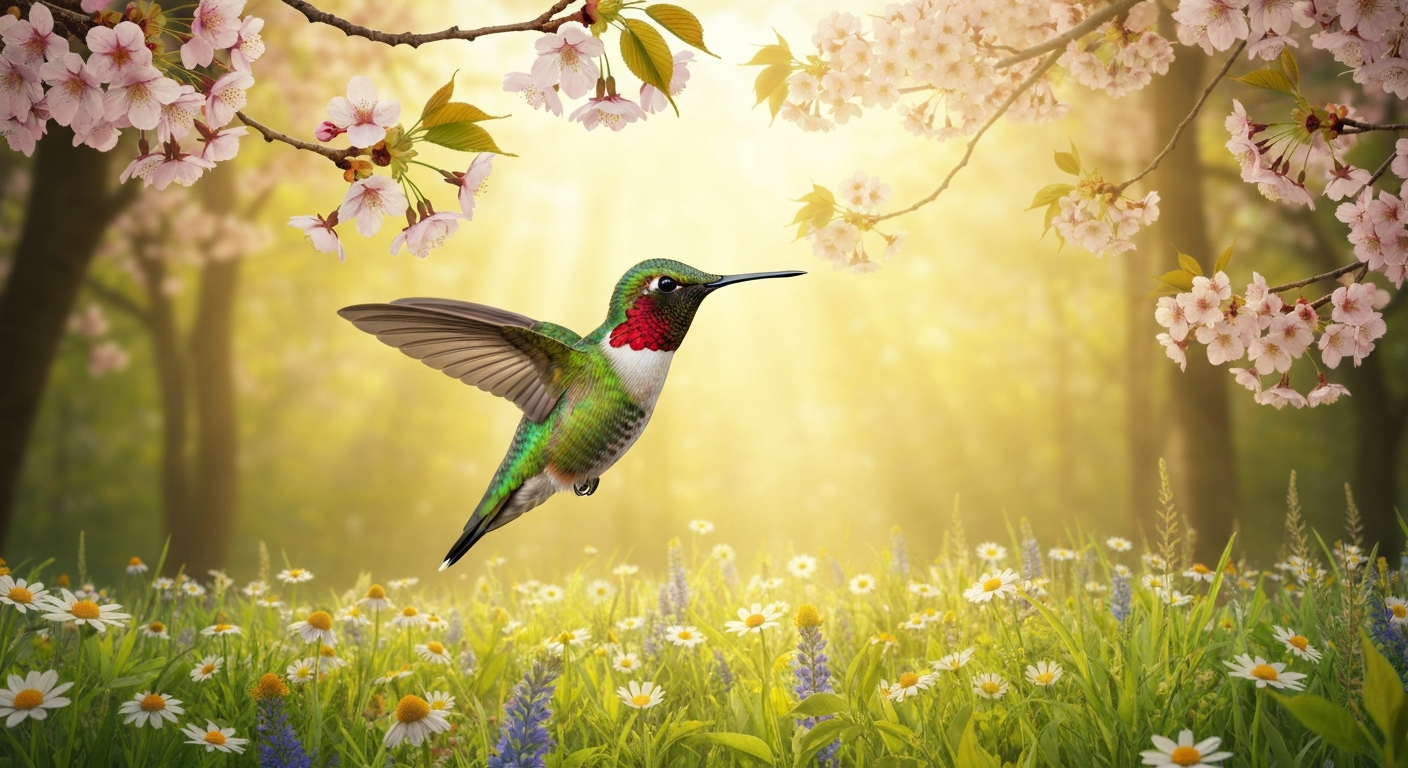
Knowing when to put out hummingbird feeders matters more than most people realize. Get it right, and you'll support birds during their most vulnerable travel periods. Get it wrong, and you might miss the entire early migration when establishing your reputation as a reliable food source matters most.
The timing varies dramatically across the country, from February in the Deep South to May in northern regions. But the principle stays the same everywhere: earlier is almost always better.
Regional Timing Guide: When Hummingbirds Return
Gulf Coast States (Texas, Louisiana, Mississippi, Alabama, Florida)
Ruby-throated Hummingbirds start crossing the Gulf of Mexico in late February. The first scouts typically arrive along the coast between February 15th and March 1st, with peak migration hitting in mid-March.
Put your feeders out by Valentine's Day if you're within 100 miles of the Gulf Coast. I've recorded arrivals as early as February 20th here in East Texas, and coastal friends regularly see them even earlier.
The western Gulf Coast sees different patterns. Rufous Hummingbirds move through Texas Hill Country starting in late February, while Broad-tailed Hummingbirds arrive in the Edwards Plateau region by mid-March.
Take feeders down by late October in most Gulf Coast areas, though South Texas and Florida can keep them up year-round due to overwintering populations and vagrant species.
Southeast and Mid-Atlantic (Georgia through Virginia)
Ruby-throated Hummingbirds follow predictable routes inland from their Gulf crossing. Georgia and the Carolinas typically see first arrivals between March 10-20th, with Virginia following 7-10 days later.
Put feeders out by March 1st in Georgia and the Carolinas, March 10th in Virginia and Maryland. The Appalachian Mountains create interesting micropatterns — birds often arrive in valleys before reaching higher elevations.
Peak migration hits the Southeast in early April, the Mid-Atlantic by mid-April. Fall migration starts earlier than most people expect, with adult males beginning to move south by mid-July.
Keep feeders up until mid-to-late October. Stragglers and vagrant western species sometimes appear in November, particularly along the coast.
Northeast (Pennsylvania, New York, New England)
Ruby-throated Hummingbirds reach Pennsylvania and southern New York by mid-to-late April. Northern New York and New England typically wait until early May, with Maine seeing arrivals around May 10th.
Put feeders out by April 15th in Pennsylvania and southern New York, May 1st in northern areas. Cold snaps won't hurt — nectar mix won't freeze until temperatures drop well below 20°F, and early migrants are surprisingly cold-tolerant.
The short northeastern breeding season means fall migration starts early. Adult males begin leaving by late July, females and juveniles follow through August and early September.
Take feeders down by mid-October, though the occasional late straggler appears into November.
Midwest (Ohio through the Dakotas)
The Midwest sees Ruby-throated Hummingbirds spreading north and west from their eastern migration routes. Ohio and Indiana see arrivals by late April, with the pattern moving northwest through Illinois, Wisconsin, and Minnesota over the following two weeks.
Put feeders out by April 20th in Ohio and Indiana, May 1st in Illinois and Iowa, May 10th in Wisconsin and Minnesota. The northern Great Plains (North Dakota, northern Minnesota) should wait until May 15th.
Fall migration mirrors the spring pattern in reverse, starting with adult males in late July and finishing with juveniles by mid-September.
Take feeders down by early October in most Midwest locations, mid-September in the northern reaches.
Mountain West (Colorado, Wyoming, Montana, Idaho)
The Mountain West hosts multiple species with overlapping but distinct timing. Broad-tailed Hummingbirds typically arrive first, reaching Colorado by early May and Montana by late May.
Rufous Hummingbirds follow different routes — some come up through Arizona and New Mexico starting in April, while the main Pacific Coast population moves through the region during fall migration in July and August.
Put feeders out by May 1st in Colorado and New Mexico mountains, May 15th in Wyoming and Montana. High elevation areas should wait until after the last hard freeze, usually late May or early June above 8,000 feet.
Fall migration creates spectacular viewing opportunities as multiple species overlap. Keep feeders up through September, into early October at lower elevations.
Southwest (Arizona, New Mexico, Nevada, southern Utah)
The Southwest supports the greatest hummingbird diversity in North America. Anna's Hummingbirds stay year-round in many areas. Broad-tailed arrive in mountain areas by April, while Rufous Hummingbirds pass through during spring and fall migration.
Desert regions can keep feeders up year-round, especially around Phoenix and Tucson where Anna's Hummingbirds breed in winter. Mountain areas should put feeders out by April 15th in lower elevations, May 1st above 6,000 feet.
The monsoon season creates unique patterns. Many species time breeding to coincide with peak flower blooms following summer rains.
Pacific Coast (California, Oregon, Washington)
Anna's Hummingbirds dominate the coastal regions and stay year-round. Allen's Hummingbirds arrive along the California coast in January, with peak numbers in March and April.
The Pacific Northwest sees Rufous Hummingbirds arriving in March, reaching peak numbers in May. Their fall migration through the region creates some of the best hummingbird watching in North America.
Coastal California can keep feeders up year-round. Oregon and Washington should have feeders out by March 1st, continuing through October. The Cascade Mountains follow timing similar to other high-elevation areas.
Why Earlier Is Better
Hummingbirds face enormous challenges during migration. They're burning energy at maximum rates, flying hundreds of miles per day, often arriving exhausted and desperate for food.
Early feeders provide critical support during this vulnerable period. A reliable food source can mean the difference between successful nesting and reproductive failure.
Think of it this way: the first hummingbird to arrive at your feeder becomes a scout for others. If you're not ready, that scout moves on and may never return. But if you're prepared with fresh nectar mix, you establish your yard as a known food source that gets passed along through the local hummingbird network.
Early arrival males are often the strongest, most experienced birds. They're the ones that will claim and defend the best territories. Supporting them early in the season pays dividends throughout the breeding period.
Weather patterns add another layer of complexity. Late spring storms can devastate insect populations and delay flower blooms. During these periods, feeders become even more critical for survival.
The Migration Myth: Feeders Don't Delay Departure
One persistent myth claims that leaving feeders up too late prevents hummingbirds from migrating. This is completely false and potentially harmful to birds.
Hummingbird migration is triggered by changing daylight length and internal biological clocks, not food availability. A well-fed bird is actually more likely to survive the rigors of migration than one forced to leave while still building energy reserves.
Research has consistently shown that feeders support successful migration rather than delaying it. Birds use feeders to fuel up for their journey, often disappearing overnight once they've reached optimal body weight.
The myth likely persists because people notice birds at their feeders right up until the day they leave. This is exactly what should happen — birds are using the reliable food source to prepare for migration.
Late-season feeders also support vagrant birds that may have wandered off course. Western species occasionally show up in eastern regions during fall migration, and these birds desperately need food sources to survive until they can correct their course.
Seasonal Maintenance Matters
Putting feeders out early means starting with impeccable cleanliness standards. Cold weather slows bacterial growth, but spring warming accelerates it rapidly.
Clean feeders every 3-4 days in cool weather, every 1-2 days once temperatures consistently reach 70°F. Hot summer weather requires daily cleaning and refilling.
Use a pre-measured nectar mix and follow the instructions on the pouch. Never use honey or artificial sweeteners. These can harm or kill hummingbirds.
Position feeders where you can easily access them for daily maintenance. Hummingbirds adapt quickly to feeder locations, but they won't tolerate spoiled nectar.
Making the Most of Migration Season
Early and late season periods offer unique viewing opportunities. Spring arrivals are often more territorial and easier to observe as they establish breeding territories. Fall migration brings the greatest diversity, with multiple age classes and sometimes vagrant species.
Keep detailed records of first and last sightings each year. Migration timing shifts gradually with climate patterns, and your observations contribute to citizen science efforts tracking these changes.
Consider multiple feeder locations to reduce territorial conflicts. Dominant males often guard single feeders aggressively, but they can't patrol widely separated locations effectively.
Plant native flowering plants to complement your feeders. Early bloomers like wild columbine and late-season flowers like cardinal flower extend natural food availability and make your habitat more attractive to migrating birds.
The investment in proper timing pays off throughout the hummingbird season. Early feeders help establish your yard as a reliable food source, while late-season maintenance supports critical pre-migration fueling.
Our nectar mix makes this easy — just add water. One 15 oz pouch makes over 2 gallons of fresh nectar, so you’re always ready when the birds arrive.
Next Batch Waitlist